
Britain's Nature Crisis: Why We Can't Afford to Wait
By Hannah Brookes
Our planet is currently facing an unprecedented global crisis. Environmental destruction fuelled by relentless resource extraction, industrial expansion and the singular pursuit of economic growth has pushed our ecosystems to the brink of collapse. Anthropogenic global warming is having a multitude of catastrophic impacts, including massive ecological disruption and biodiversity loss. We are currently experiencing the 6th mass extinction since life on Earth began; the only one ever to have been caused entirely by human activity (Kolbert, 2014).
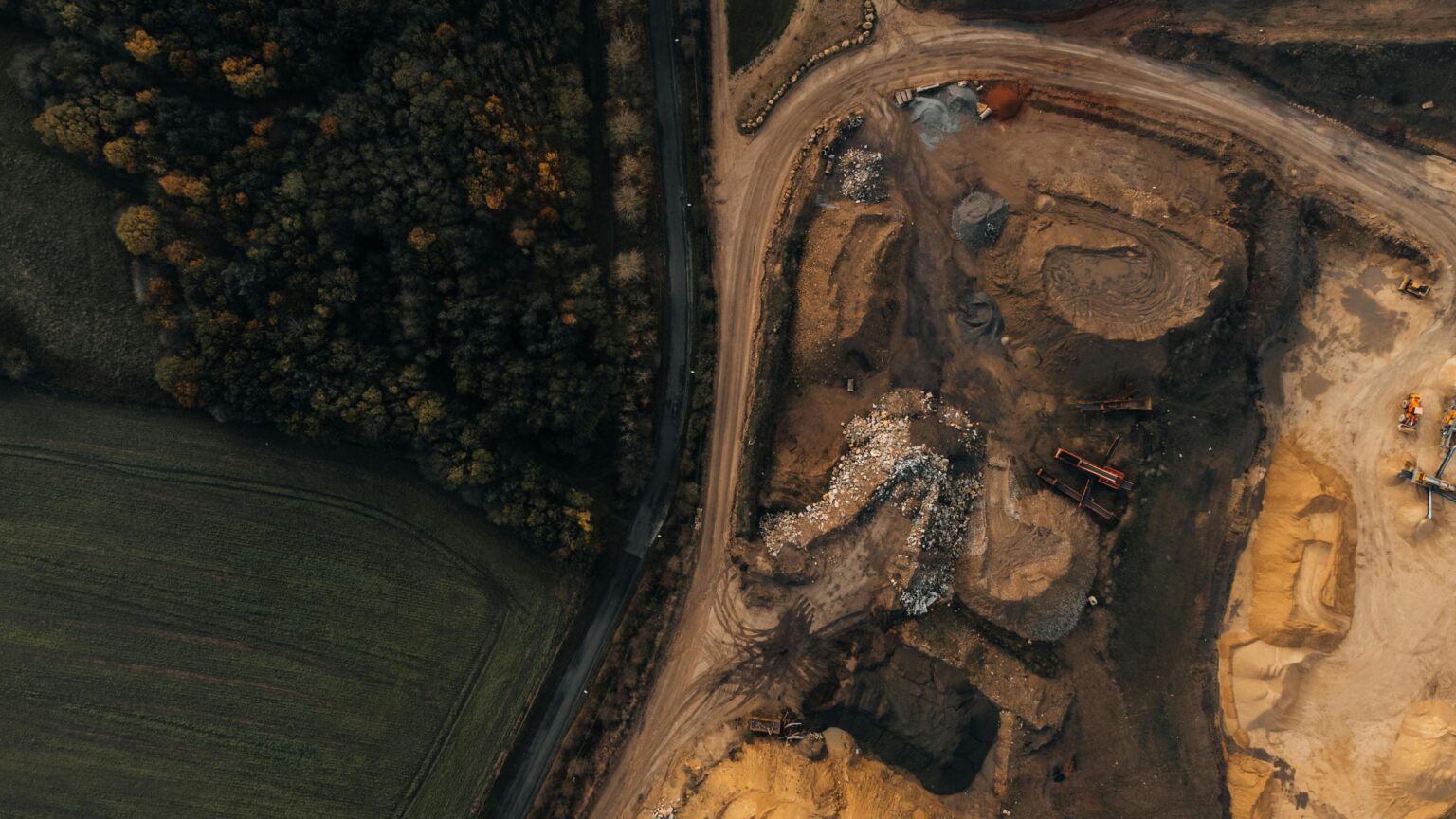
The UK is one of the most nature-depleted countries on Earth (State of Nature Partnership, 2023), considered a ‘world leader’ in destroying the natural environment (Davis, 2020). Since the industrial revolution we have lost half of our biodiversity (Davis, 2020), compared to a global average loss of 25% (Briggs, 2021). Once-common species like starlings, hedgehogs, and dormice have all suffered dramatic declines. A historic legacy of unsustainable agriculture practices, land use changes, development projects and pollution (State of Nature Partnership, 2023) have driven this decline. Furthermore, the growing ‘metabolic rift’ (Foster & Clark, 2018) between humans and the natural world exacerbates this ecological destruction, as our contemporary lives have become increasingly disconnected from the natural world.
Recognising the severity of the environmental and ecological crisis, UK legislation has evolved over the last few decades. The UK government has committed to ambitious global goals, such as the Global Biodiversity Framework which aims to halt biodiversity loss by 2030 and reverse loss by 2050 (DEFRA & Lord Goldsmith, 2022). Simultaneously, public awareness of these issues has risen, leading to the emergence of grassroots movements like ‘No Mow May’ and rewilding initiatives in recent years (Plantlife, 2023; (Rewilding Britain, 2024). But overall, biodiversity continues to decline (State of Nature Partnership, 2023). The severity of this is highlighted in the landmark State of Nature Report (2023), which declares that since the 1970s there has been an average decline of 19% across all studied species, and that almost a sixth (16%) of Great Britain’s species are currently facing extinction.
WHAT WE CAN DO
While national and international policies are crucial, everyone has a role in protecting our precious biodiversity.
- Reconnect with nature. One of the root causes of this crisis is that we’ve become disconnected from the natural world. When daily life is lived indoors, behind screens, or in cities where wildlife is invisible, it’s easy to forget that our survival depends on healthy ecosystems. Simply spending time outdoors is the first step to rebuilding that relationship. You don’t love and protect what you don’t know, and so the more we experience and appreciate nature firsthand, the more likely we are to fight for its protection.
- Make your garden wildlife friendly. For those who have gardens, doing things like planting native species and reducing mowing to create habitats for pollinators can be one of the easiest and most passive ways to have a positive impact on biodiversity.
- Reduce your personal ecological footprint. I have an entire other post about this, but small acts such as rethinking your consumption, reducing waste and creating more sustainable habits can make a real difference here.
- Educate yourself and raise awareness. As I said before, we don’t love and protect what we don’t know. Engaging with these conversations, learning about the issues and understanding where you can have the greatest impact is a crucial step. Share what you learn, participate in local initiatives and encourage others to act too. Collective awareness fuels collective action, and it’s often grassroots change that sparks wider transformation.
WHY ACTION MATTERS NOW
The loss of biodiversity is not just an environmental issue — it is a social, economic, and ethical one. Healthy ecosystems underpin clean water, fertile soil, food security, and climate regulation. Every species lost is a warning sign that the systems we rely on are under stress. Acting now is not optional; it is essential to secure the natural world for future generations.
The COVID-19 pandemic has demonstrated that radical behavioural shifts are possible when the stakes are high enough, risks are understood, and consequences are clear. Faced with immediate threats to our lives and those of our loved ones, we are capable of profound change. The challenge before us is to realise that the ecological crisis is just as urgent, and that the time for action is now.
BIBLIOGRAPHY
- Briggs, H. (2021). ‘Biodiversity Loss Risks “Ecological Meltdown” – Scientists’, BBC NEWS. Available at: https://
www.bbc.co.uk/news/science-environment-58859105 (Accessed 17 June 2024) - Davis, J. (2020). UK has “Led the World” in Destroying the Natural Environment. Natural History Museum. Available at: https://www.nhm.ac.uk/discover/news/2020/september/uk-has-led-the-world-in-destroying-thenatural-environment.html (Accessed 17 June 2024)
- DEFRA (Department for Environment, Food & Rural Affairs) & Lord Goldsmith. (2022). UK Takes Lead to Seek Global Action on Nature at COP15 Biodiversity Conference. GOV.UK. Available at: https://www.gov.uk/government/news/uk-takes-lead-to-seek-global-action-on-nature-at-cop15-biodiversity-conference (Accessed 17 June 2024)
- Foster, J. B., & Clark, B. (2018). ‘The Robbery of Nature: Capitalism and the Metabolic Rift’, Monthly Review, 70(3). Available at: https://doi.org/10.14452/mr-070-03-2018-07_1
- Kolbert, E. (2014). The Sixth Extinction: An Unnatural History. Henry Holt and Company.
- Plantlife. (2023). No Mow May. Available at: https://www.plantlife.org.uk/campaigns/nomowmay/ (Accessed 17
June 2024) - Rewilding Britain. (2024). What is Rewilding? Available at: https://www.rewildingbritain.org.uk/why-rewild/
what-is-rewilding (Accessed 17 June 2024) - State of Nature Partnership. (2023). State of Nature. Available at: https://stateofnature.org.uk/wp-content/uploads/2023/09/TP25999-State-of-Nature-main-report_2023_FULL-DOC-v12.pdf (Accessed 17 June 2024)